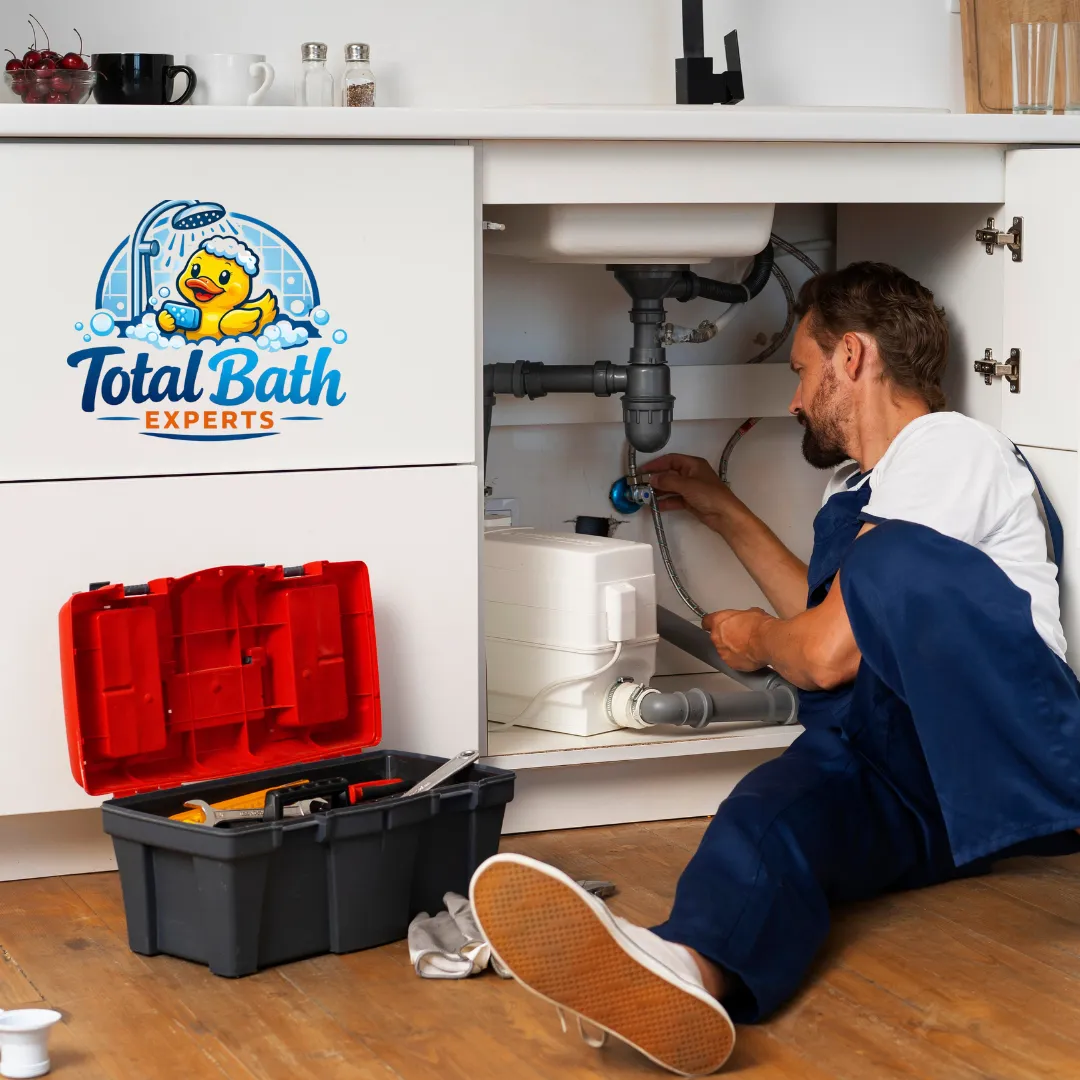
Bathroom Remodel
Can You Remodel a Bathroom Without Moving the Plumbing?
Short answer: Yes, and in most cases, you should.
After overseeing hundreds of bathroom renovations across Southwest Florida, I can tell you this is the question that determines whether your project costs $8,000 or $25,000.
The difference? Where your plumbing stays.
Here's what 20+ years in the Bathroom remodeling industry has taught us about making this decision.
Why Most Professional Remodelers Recommend Keeping Plumbing in Place
Moving plumbing isn't just about relocating pipes, it’s a cascade effect that impacts every aspect of your project:
Cost implications:
Rerouting plumbing typically adds $2,500-$7,500 to your budget (sometimes more in multi-story homes or concrete slab foundations common in Florida). That's before you factor in the additional framing, drywall repair, and extended labor.
Permitting complexity:
The moment you touch supply or drain lines, you trigger additional permit requirements and mandatory inspections. In Lee and Collier Counties, this can add 2-3 weeks to your timeline just for approvals.
Hidden structural challenges:
Florida homes built before 1990 often have cast iron drain pipes. Moving these requires cutting into walls, floors, or ceilings, sometimes revealing issues you didn't budget for.
The Smart Renovation: What You Can Transform Without Touching a Single Pipe
Here's where expertise matters. A skilled designer can completely reimagine your bathroom while respecting your existing plumbing footprint:
Fixture upgrades in the same footprint:
• Swap a standard tub for a luxurious walk-in shower (same drain location)
• Replace a 30" vanity with a modern 36" or 48" unit (using existing water lines)
• Upgrade to rain showerheads, thermostatic valves, or digital controls
Layout optimization:
• Reconfigure walls and storage around existing fixture locations
• Improve traffic flow and accessibility without relocating the toilet
• Add recessed shelving, medicine cabinets, or linen storage
High-impact aesthetic changes:
• Install large-format tile, heated floors, or waterproof luxury vinyl
• Update lighting from builder-grade to spa-inspired
• Replace outdated mirrors, hardware, and ventilation
Accessibility enhancements:
• Zero-threshold showers (using the existing drain)
• Comfort-height toilets in the same position
• Grab bars strategically placed for safety
The key insight: placement and aesthetics are separate decisions.
You can achieve a magazine-worthy bathroom without moving a single drain line.
When Moving Plumbing Actually Makes Sense
I'm not saying never move plumbing just be strategic about it.
Consider relocation when:
You're addressing functional problems:
• Drainage issues indicating improper slope in existing pipes
• Outdated galvanized or polybutylene supply lines that need replacement anyway
• Layout inefficiencies (like a toilet blocking the only wall space for a vanity)
You're doing structural work regardless:
• Full gut renovation exposing all framing and subflooring
• Additions or expansions requiring new construction
• Converting a closet or adjacent space into bathroom square footage
The ROI justifies the investment:
• Creating a primary suite from two smaller bathrooms
• Adding a second sink when the existing single-sink layout limits home value
• Reconfiguring a poorly designed builder-grade layout in a highend home
In these scenarios, the $5,000-$10,000 investment in plumbing relocation pays dividends in functionality and resale value.
The Southwest Florida Factor
Our regional building characteristics matter:
Concrete slab foundations make moving plumbing significantly more expensive. Cutting concrete, rerouting underground drains, and repairing slabs properly can double your plumbing costs.
Condo restrictions often limit or prohibit plumbing changes due to shared stack systems and HOA requirements.
Humidity and ventilation codes are stricter here, meaning any plumbing work triggers updated ventilation requirements throughout the space.
The Professional's Approach
Before any bathroom project, an experienced remodeler should:
Evaluate existing plumbing condition (not just location)
Create design options both with and without plumbing changes
Provide itemized costs so you can make an informed decision
Identify potential complications before demo begins
The goal isn't to avoid plumbing work at all costs it's to ensure every dollar you spend delivers maximum value and functionality.
Bottom Line
Keeping your plumbing in place isn't a limitation, it’s often the smartest strategy for achieving a stunning, functional bathroom without budget overruns or extended timelines.
That said, every bathroom is different. Work with a licensed contractor who can assess your specific situation, explain your options clearly, and execute the work to code whether that means keeping every pipe exactly where it is or strategically relocating them for long-term value.
Your bathroom remodel should enhance your daily life, not drain your savings. The best renovations balance vision with practical execution and that starts with understanding when to move plumbing and when to leave it alone.
