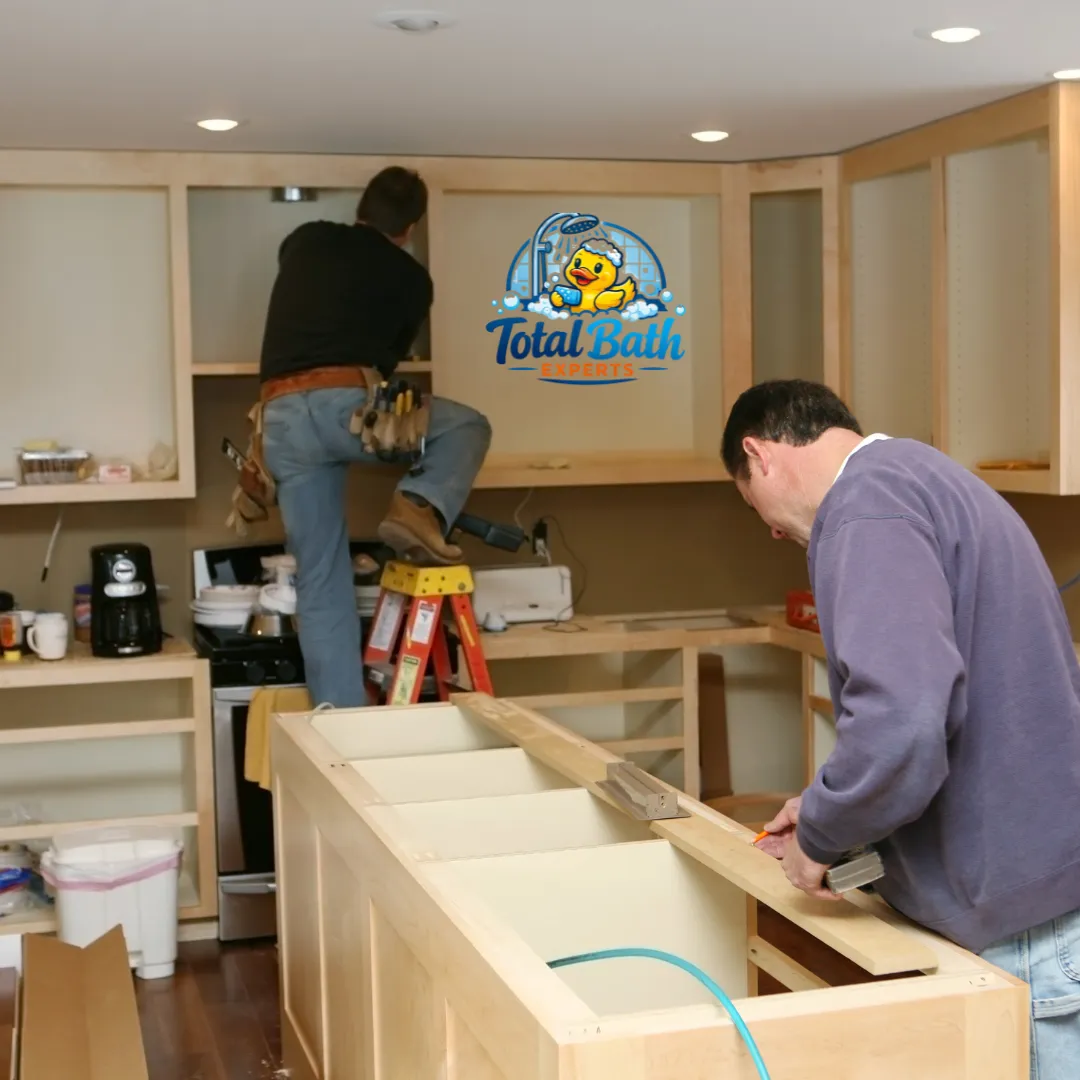
Kitchen Remodeling
Kitchen Update vs. Full Remodel: A Professional's Guide to Making the Right Investment
The question isn't whether to upgrade your kitchen, it’s how deeply to go.
After designing over 300 kitchen projects across Southwest Florida, We've learned this: the most expensive mistake homeowners make is either over-renovating or under-investing. Both leave money on the table.
It's Not Binary: Understanding Your Options
The industry operates on a spectrum, not just two categories:
• Cosmetic Refresh: Paint, hardware, lighting, minor backsplash
• Strategic Update: New countertops, cabinet refacing, backsplash, appliances—same layout
• Remodel with Layout Changes: New cabinets, wall removal, island addition
• Full Gut Renovation: Down to studs, structural changes, complete reconfiguration
Most homeowners land in the middle range strategic updates with selective improvements that deliver significant impact without full demolition.
When Strategic Updates Deliver Maximum ROI
You can transform a kitchen without touching a single wall if you have:
Solid bones:
• Structurally sound cabinets (no water damage or failing hardware)
• Code-compliant plumbing and electrical
• Logical work triangle and adequate counter space
• Appliances in functional positions
What you can accomplish:
• Professional cabinet painting or refacing (saves significantly versus replacement)
• Quartz or quartzite countertops with full-height backsplash
• Panel-ready appliances for built-in appearance
• Undermount sinks replacing drop-in models
• Recessed LED lighting and statement fixtures
• Luxury vinyl plank or porcelain tile flooring
Timeline and returns: Strategic updates typically take 3-5 weeks and deliver strong resale recovery—often higher percentage returns than full remodels because the investment aligns better with neighborhood values.
When Full Remodels Make Financial Sense
Go structural when the kitchen actively undermines how you live:
Legitimate reasons:
• Dysfunctional layout: Closed-off galley in open-concept home, poor work triangle, inadequate counter landing zones
• Insufficient storage: No pantry, inadequate cabinet depth, wasted corner space
• System failures: Outdated electrical, failing plumbing, structural issues, inadequate ventilation
• Life-stage changes: Aging in place needs, growing family, serious cooking requiring commercial-grade features
What full remodels allow:
• Load-bearing wall removal (with proper engineering)
• Dedicated circuits for high-powered appliances
• Plumbing relocation for ideal island sink placement
• Custom spatial solutions like butler's pantries or beverage centers
Southwest Florida Considerations
• Concrete slab foundations make plumbing moves significantly more expensive
• Hurricane codes trigger current wind load compliance with structural work
• Condo/HOA restrictions often prohibit plumbing and gas line changes
• Flood zone regulations may require elevated electrical if doing electrical work
The Decision Framework
I evaluate five factors before recommending scope:
Ownership horizon: Staying short-term? Update maximizes immediate enjoyment with strong resale recovery. Staying long-term? Remodel pays dividends in daily quality of life.
Home value context: Kitchen investment should be 10-15% of home value for optimal return to prevent over-improving beyond neighborhood comps.
Lifestyle alignment: Serious chefs need infrastructure; minimal cooks prioritize aesthetics and resale appeal.
System condition: If replacing electrical panels or plumbing anyway, layout changes become more economical.
Disruption tolerance: Updates allow semi-functional kitchen for 3-5 weeks; full remodels mean 8-12 weeks with complete loss of access.
Red Flags Requiring More Than Updates
• Water-damaged cabinet boxes (refacing won't solve structural failure)
• Electrical systems that can't support modern appliances
• Chronic plumbing or drainage issues
• Layout causing daily frustration
• Moisture/mold from inadequate ventilation
Bottom Line
The smartest kitchen upgrade isn't the most expensive or cheapest it's calibrated to your actual needs and financial goals.
Work with a professional who asks about your lifestyle, ownership timeline, and home value before proposing scope. The best contractors help you avoid both under-investing and over-improving because both are expensive mistakes.
Call us for a Quote: (239) 207-6000
